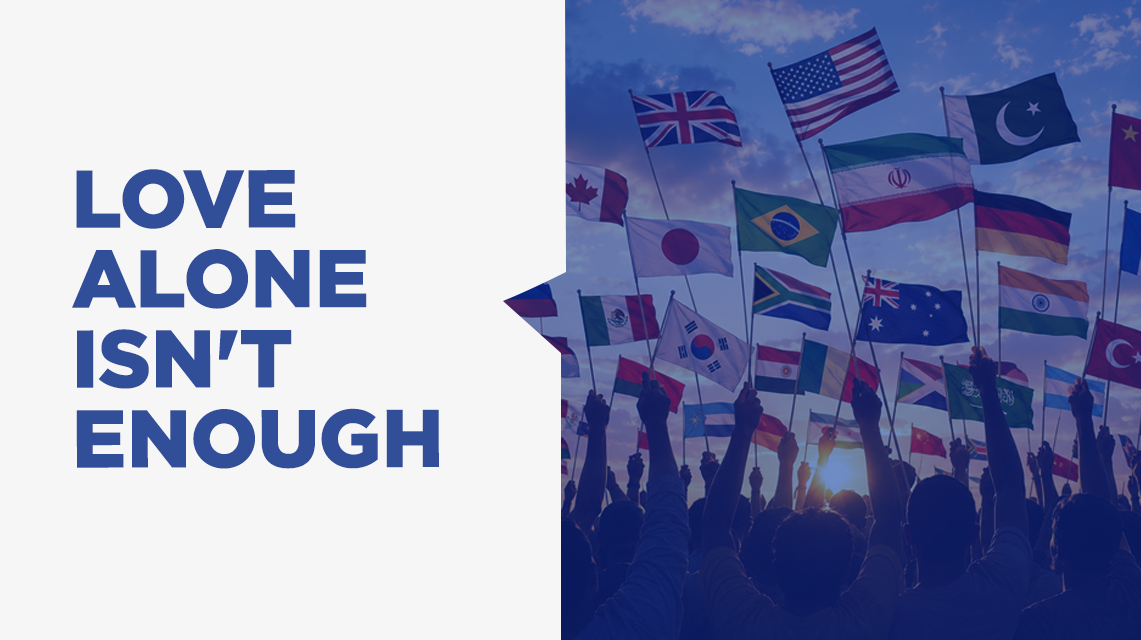
The current Western democratic world is divided into two main ideologies: conservatism (right-wing), which emphasises upholding traditional values and customs and liberalism (left-wing), which welcomes individual freedoms and progressive reforms.
Many Muslims find themselves caught between these opposing views, raising some crucial questions: Which political ideology should Muslims support? In what ways can Islam guide us through this issue? And how do the lives of the Holy Prophet and the Imams offer us guidance?
The Pull Towards Liberalism
Many Muslims currently residing in the Western world are immigrants. They often find liberals to be more welcoming than their conservative counterparts. But why is that so? Well, if we look at it closely, several factors have drawn Muslims toward liberal politics, such as:
- Advocacy for Civil Rights: Liberals champion the rights of all peoples, regardless of their background. This resonates with Islamic teachings of justice for everyone.
- Support for Social Welfare: Liberal social welfare systems echo Islamic principles like zakat and khums, aiming to support the less fortunate.
For many Muslims, liberals initially appeared to be natural allies. Even during times of intense political tension, liberals provided crucial support, such as during Trump’s “Muslim Ban”. However, the tide shifted quickly, and western Muslims found themselves in a state of confusion.
The Complicated Relationship with Liberalism
Initially, the western Muslim population welcomed liberal support, seeing it as an opportunity for greater acceptance and rights. However, this initial goodwill was not without repercussions.
As it turned out, liberals’ support often came with demands. These demands included the endorsement of LGBTQ+ rights and gender fluidity. This ‘you scratch my back, I’ll scratch yours‘ dynamic meant that Muslims who did not fully agree with these views faced backlash.
What was once a straightforward alliance grew more bitter and complicated. The Muslims found themselves questioning their decision to side with the liberal ideology. That is when a new ally emerged.
The Shift Towards Conservatism
As liberal policies became increasingly overwhelming, Muslims discovered they were not alone in their concerns. It seemed, in an unexpected twist, that Muslims and conservatives had some shared values.
These concerns specifically revolve around issues like gender fluidity and secularism in public life. This new common ground even led to surprising alliances, as Muslims and right-wing Christians united to protest the controversial change in the school curriculum.
The Conservative Awakening
This newfound alliance gave way to a larger conservative push-back against liberal policies. Conservatives not only opposed policies like gender fluidity but also took significant actions, such as overturning Roe v. Wade and boycotting companies that supported LGBTQ+ rights, like Target.
Influential figures like Ben Shapiro and Jordan Peterson gained prominence among Muslim youth for opposing modern feminist and LGBTQ+ views. Even Andrew Tate, despite his controversial stance on traditional masculinity, influenced some Muslims who felt disconnected from liberal values.
As these voices became mainstream, many Muslims discovered their values aligned more with conservative perspectives. Therefore, despite past disagreements, this shared ground led some Muslims to see conservatives as more in tune with their interests.
How The Palestinian Issue Changed Muslim Politics
The alliance between Muslims and conservatives seemed unshakable— until October 7th, 2023. Many prominent conservatives, like Ben Shapiro and Jordan Peterson, came forward as supporters of Zionist values. This shocking revelation left Muslims feeling betrayed.
Meanwhile, liberals, despite their controversial views regarding gender identities, were standing up for the Palestinians. These unexpected stances from both camps left Muslims questioning which side they should turn to after all.
The Dilemma
The Muslims ended up with the following dilemma:
Conservatives: Historically aligned with many Muslim values and interests, but are now increasingly displaying hostility towards Muslims.
Liberals: Generally supportive of marginalised communities, including Muslims, yet continue to advocate for agendas that conflict with Islamic teachings.
In such a confusing situation, where both sides offer some aspects that align with Islamic values, although not entirely, the following questions arise:
- How does the Quran guide us in this particular situation?
- Is Islam itself liberal or conservative? Does it value upholding the established order, or does it believe in progressive change?
- What are some examples from the life of the Prophet and his Ahlulbayt that can help us understand the political alignment of Islam?
How does the Quran view this situation?
In the Holy Quran, Allah (subhanahu wa ta’ala) has referred to Iblis (Shaytan) by various names. Amongst them is ‘Al-Gharur’ meaning the one who deceives. For example, in Surah Luqman, Verse 33, Allah states,
يا أَيُّهَا النّاسُ اتَّقوا رَبَّكُم وَاخشَوا يَومًا لا يَجزي والِدٌ عَن وَلَدِهِ وَلا مَولودٌ هُوَ جازٍ عَن والِدِهِ شَيئًا ۚ إِنَّ وَعدَ اللَّهِ حَقٌّ ۖ فَلا تَغُرَّنَّكُمُ الحَياةُ الدُّنيا وَلا يَغُرَّنَّكُم بِاللَّهِ الغَرورُ
O mankind! Be wary of your Lord and fear the day when a father shall not atone for his child, nor the child shall atone for its father in any wise. Indeed Allah’s promise is true. So do not let the life of the world deceive you, nor let the Deceiver deceive you concerning Allah.
Shaytan has a unique tactic to lure people towards him. He does not present us with complete evil; instead, he presents us with ideologies and views that seem to be truthful on the surface. In reality though, it later proves that these views betray us in this world and in the Hereafter. Hence, Muslims must remain cautious concerning the ideologies they embrace.
So, does Islam try to maintain the traditions and the values of the past, or is it a religion that encourages reform and change?
What Is The Political Ideology of Islam?
To navigate through this complexity, it’s essential to understand the position of Islam through the following verse of the Holy Quran (2:143):
وَكَذَٰلِكَ جَعَلْنَـٰكُمْ أُمَّةًۭ وَسَطًۭا لِّتَكُونُوا۟ شُهَدَآءَ عَلَى ٱلنَّاسِ وَيَكُونَ ٱلرَّسُولُ عَلَيْكُمْ شَهِيدًۭا ۗ
Thus We have made you a middle nation that you may be witnesses to the people, and that the Apostle may be a witness to you.…
Therefore, it becomes clear that Islam doesn’t neatly fit into either the liberal or conservative categories. Instead, it embraces a balanced ‘middle’ path that is founded on two core principles:
- Reform Must Be Educated: Unlike liberals, who tend to endorse all forms of reforms, Islam supports change only when it is based on understanding, logic, and clear divine evidence. If reform is rooted in knowledge and divine wisdom and aligns with the teachings of Allah and His messenger, Islam wholeheartedly embraces it.
- Avoiding Extremes: The Quran also emphasises the importance of not falling into extremes, whether in conservatism or liberalism. True guidance lies in discerning between right and wrong and what’s based on divine principles.
The Holy Prophet and Educated Reform
The Holy Prophet Muhammad (sallalahu alaihi wa a’lihi) was a reformer himself, challenging the misguided traditions and values of the pre-Islamic era (Jahiliyah). His greatest opponents were the conservative leaders of Makkah, who rejected his message because it threatened their traditional beliefs and customs.
While today’s liberals may welcome any type of reform in the name of freedom, conservatives might resist change altogether. Both of these approaches are flawed in the view of Islam. This is because the ‘middle path’ of Islam is clear: if a reform is from Allah and is evidently true, Islam commands us to embrace it wholeheartedly.
Liberalism vs Conservatism & Imam Husayn
Just as the Holy Prophet challenged the immoral traditions of pre-Islamic Arabia, Imam Husayn sought to address the corruption and injustice of his time.
Many contemporaries saw his actions as “too liberal”, fearing he would disrupt the traditions and customs they had grown comfortable with. So, out of desire to maintain the status quo, even the people close to Imam Husayn resisted his call for change. Thus, Imam Husayn’s stand in Karbala underscores the importance of educated reform.
Side With Divine Leaders
So, when it comes to deciding between conservatism or liberalism, it’s clear that neither ideology fully aligns with the balanced approach of Islam. Therefore, rather than choosing sides, Muslims should seek guidance from the Ahlulbayt and embrace a position that transcends these extremes.
The examples of the Holy Prophet and Imam Husayn, among other Imams, show that Islam supports reform when it is ‘just’ and does not violate Islamic principles. And it is only with their guidance that Muslims can navigate socio-political issues by treading on the middle path.
Support Thaqlain
These initiatives by Thaqlain are not possible without your support! Be our Monthly Patron to help us keep going!


20 October 2024, 10:57 PM
MashaALLAH such a precise writing. I’m not fond of reading articles, especially religious ones. As they stretch to the length of too much detail and become boring.
This is MashaALLAH superb, grateful to the writers and contributors.
May ALLAH KAREEM increase the tofeeq, Aameen.
22 October 2024, 11:21 AM
Salaam Alaykum. JazakAllah for your kind words and thoughtful feedback! We’re truly grateful that you enjoyed the article and found it engaging. It’s our aim to present important topics in a way that resonates with readers like you. May Allah (subhanahu wa ta’ala) bless you for your duas, and may He grant us all the taufeeq to continue empowering the teachings of Ahlulbayt.
6 July 2025, 12:53 AM
Ma sha ALLAH, May ALLAH bless you rehma.
One of the best briefing regarding Islam